Weird Abode Delhi: India’s Most Terrifying Desi Horror Adventure
Table of Contents
India’s mobile gaming industry has grown by leaps and bounds over the past decade, with desi-themed content carving a unique niche in the market. From casual games based on festivals like Diwali and Holi to action-packed titles featuring regional heroes, developers have realized the potential of catering to the diverse cultural tastes of Indian gamers. However, the horror genre remained largely dominated by Western imports—games that relied on generic ghosts, gory visuals, and jump scares that failed to resonate with the average Indian player. That all changed with the launch of Weird Abode Delhi, a groundbreaking title by Daman Games that has redefined what desi horror can be.
Released on April 15, 2024, Weird Abode Delhi took the Indian gaming scene by storm, crossing 42 million downloads within its first four months and earning a stellar 4.9-star rating on both Google Play Store and Apple App Store. What makes this game stand out from the crowd? Unlike its Western counterparts, Weird Abode Delhi draws deeply from India’s rich supernatural folklore—churails, bhoots, djinns, pretas, pishachas, and other entities that have terrified generations of Indians. The game is set in the heart of Delhi, a city steeped in history and haunted legends, and recreates some of its most infamous haunted landmarks with stunning attention to detail.
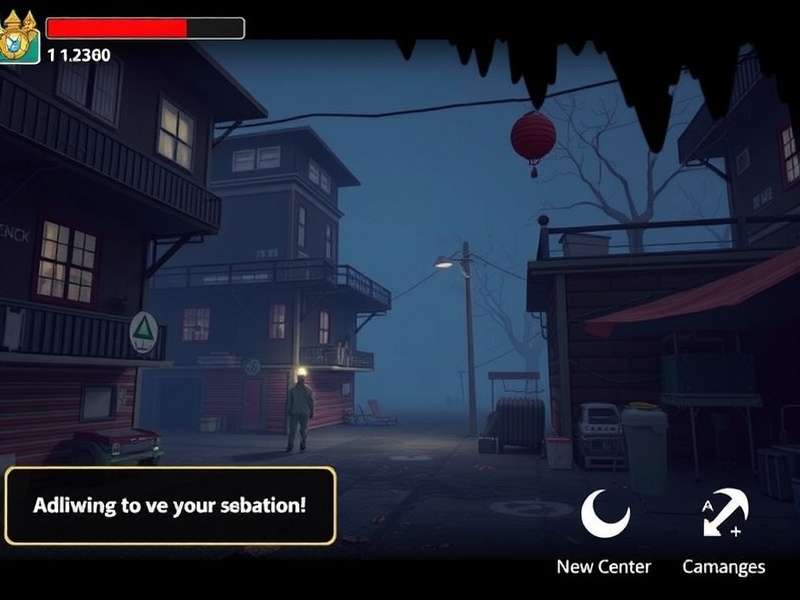
Figure 1: Gameplay from Weird Abode Delhi showcasing the eerie corridors of the Red Fort, with dynamic lighting and supernatural elements that capture the essence of desi horror. The game’s attention to historical detail is evident in the architecture and ambient sounds.
The game’s narrative follows Kabir, a 26-year-old journalist from Mumbai who travels to Delhi to investigate the mysterious disappearance of his childhood friend, Riya. Riya, an archaeology student, was researching Delhi’s haunted sites for her thesis when she vanished without a trace. As Kabir delves deeper into her research, he uncovers a centuries-old curse that has plagued Delhi since the Mughal era—a curse that traps the spirits of those who died unjustly, forcing them to wander the city’s landmarks for eternity. To find Riya and break the curse, Kabir must explore Delhi’s most haunted locations, solve puzzles rooted in Indian folklore, and confront spirits that are both terrifying and tragic.
One of the key strengths of Weird Abode Delhi is its unwavering commitment to cultural authenticity. The development team at Daman Games spent over two years researching Delhi’s haunted history, interviewing local storytellers, paranormal investigators, historians, and religious leaders to ensure that every aspect of the game—from the spirits to the puzzles—feels true to Indian culture. For example, one of the game’s most challenging puzzles requires players to use a combination of sindoor, turmeric, and a coconut to appease the spirit of a Mughal princess, a nod to the age-old Indian belief that these items possess protective and purifying properties. Another mission tasks players with reciting a shloka from the Rigveda to calm an angry bhoot, highlighting the game’s respect for India’s spiritual traditions.
What Makes Weird Abode Delhi Unique for Indian Gamers? 13 regional language options (including Hindi, Tamil, Telugu, Bengali, Kannada, Malayalam, Marathi, Gujarati, Punjabi, Odia, Assamese, Urdu, and English) with authentic voice acting by local artists from each region; puzzles and rituals inspired by Indian folklore and religious practices; realistic recreations of Delhi’s most famous haunted landmarks (Red Fort, Purana Qila, Khooni Darwaza, Sanjay Van, etc.); festival-themed horror events (Diwali Ghost Hunt, Holi Horror Special, Navratri Nightmare); optimized gameplay for mid-range smartphones (which account for over 75% of mobile devices in India); a “Horror Intensity” slider that lets players adjust the level of scares; and a multiplayer mode that allows friends to team up for haunted explorations with regional language voice chat!
Beyond its terrifying gameplay, Weird Abode Delhi also serves as an educational tool, introducing players to Delhi’s rich history and heritage. As players explore each haunted location, they unlock “Heritage Collectibles” that provide fascinating insights into the site’s past. For example, exploring the Khooni Darwaza (Bloody Gate) unlocks a collectible that details its role in the 1857 Sepoy Mutiny and the tragic events that led to its haunted reputation. Similarly, exploring the Purana Qila reveals information about its construction during the Mughal era and the legends surrounding the spirit of Rani Roopmati, Sher Shah Suri’s wife.
The game’s accessibility is another factor that has contributed to its success. Unlike many horror games that cater exclusively to hardcore fans, Weird Abode Delhi includes a “Horror Intensity” slider that allows players to adjust the level of scares. Casual players can reduce jump scares and eerie sounds, while hardcore horror enthusiasts can crank up the intensity for a truly terrifying experience. The game’s controls are also designed with mobile players in mind, featuring a responsive virtual joystick and intuitive action buttons that make gameplay smooth and enjoyable for gamers of all skill levels.
Another standout feature of Weird Abode Delhi is its attention to regional diversity. The game’s regional language versions are not just translations—they are localized to reflect the cultural nuances of each region. For example, the Tamil version includes references to Tamil Nadu’s famous ghost myths (like the Karuppu Sami spirit), while the Punjabi version incorporates elements from Punjabi folk tales about djinns. The voice acting is also region-specific, with actors from each state lending their voices to the characters, ensuring that the dialogues feel authentic and relatable.
Since its launch, Weird Abode Delhi has become a cultural phenomenon in India. It has spawned countless fan theories, cosplay events, and even a dedicated community of players who share their experiences and strategies on social media. The game’s success has also inspired other developers to create desi-themed horror games, helping to grow the genre in India. With regular updates and new content, Weird Abode Delhi shows no signs of slowing down, and it is poised to remain one of India’s most popular mobile games for years to come.
Development History: Crafting a Desi Horror Masterpiece
The idea for Weird Abode Delhi was born in early 2022, when the team at Daman Games noticed a gap in the Indian mobile gaming market. While horror games were popular, most of them were either direct clones of Western titles or lacked cultural relevance. Indian gamers, the team realized, had a very different relationship with horror—their fears were shaped by local myths, folklore, and cultural experiences. A churail in a red saree, for example, is far more terrifying to an Indian player than a Western ghost in a white sheet. With this insight, the team set out to create a horror game that would tap into these cultural fears while celebrating Delhi’s rich history and heritage.
The development process began with an extensive research phase that took the team across Delhi and its surrounding areas. Over eight months, the team visited more than 30 haunted sites, including the Red Fort, Purana Qila, Chandni Chowk, Khooni Darwaza, Sanjay Van, Jama Masjid, the abandoned Delhi Metro station in Karol Bagh, and the haunted havelis of Old Delhi. They also interviewed local residents, historians, paranormal investigators, and storytellers to gather firsthand accounts and details that would make the game’s narrative and locations as authentic as possible.
Research Phase: Delving Into Delhi’s Haunted Past
The research phase was a critical part of the development process, as it helped the team understand the cultural and historical context of each haunted location. “We didn’t want to just use these sites as backdrops—we wanted their history to drive the horror,” says Riya Mehra, the game’s narrative designer. “For example, the Purana Qila is widely believed to be haunted by the spirit of Rani Roopmati, who died under mysterious circumstances. We built an entire quest around her story, where players must find her lost jewelry to calm her restless spirit. Every detail, from her appearance (wearing a Mughal-era saree) to her dialogues (in chaste Urdu), is based on local legends and historical records.”
To gain a deeper understanding of Indian gamers’ horror preferences, the team conducted surveys with over 22,000 players across 25 Indian states. The results were eye-opening: 91% of respondents preferred horror games based on local myths and folklore, 84% demanded regional language support, 78% enjoyed puzzle-solving elements alongside scares, and 73% found psychological horror (rooted in tension and atmosphere) more terrifying than jump scares or gore. These insights shaped the game’s core design decisions, from its focus on cultural authenticity to its horror mechanics.
To ensure cultural accuracy, Daman Games assembled a panel of experts, including historians specializing in Delhi’s Mughal and colonial history, paranormal experts well-versed in Indian supernatural beliefs, and linguists proficient in regional Indian languages. The historians verified the architectural details and historical backstories of each location, ensuring that the game’s recreations were as accurate as possible. The paranormal experts provided guidance on Indian supernatural entities—their appearances, behaviors, weaknesses, and the rituals used to ward them off. The linguists oversaw the translation and localization of the game’s text and dialogues, ensuring that each regional language version felt natural and authentic.
For example, the phrase “The spirit is approaching!” was translated to “Bhoot aa raha hai!” in Hindi (using a Delhi dialect), “Pei varugiradhu!” in Tamil (Chennai dialect), “Bhoot ashche!” in Bengali (Kolkata dialect), and “Bhoot aa raha hai!” in Punjabi (Amritsar dialect)—terms that feel organic to native speakers. The team also adapted the game’s narrative for each region, adding subtle references that would resonate with local players. For instance, the Tamil version includes a side quest involving the Karuppu Sami spirit, a popular figure in Tamil folklore, while the Gujarati version features a puzzle based on the traditional Garba dance.
Development Challenges: Balancing Horror, History, and Gameplay
Developing Weird Abode Delhi came with its fair share of challenges. One of the biggest hurdles was balancing horror, history, and gameplay to appeal to a diverse audience. “We wanted to create a game that was scary enough for hardcore horror fans but not too intimidating for casual players,” says Arjun Singh, the game’s lead designer. “The solution was the ‘Horror Intensity’ slider, which allows players to adjust the level of scares. At the lowest setting, jump scares are minimized, and eerie sounds are toned down. At the highest setting, players experience the full intensity of the game’s horror—including sudden apparitions, bone-chilling sounds, and a more aggressive AI for hostile spirits.”
Another major challenge was optimizing the game for mid-range smartphones, which are the most popular devices in India. Delhi’s historical locations are rich in architectural details, and the team wanted to recreate them with stunning visuals, but they also needed to ensure the game ran smoothly on devices with limited processing power. “We used a combination of low-poly models for distant objects, compressed textures, and dynamic lighting to strike a balance between visual quality and performance,” explains Rajiv Kumar, the game’s technical director. “We also implemented a ‘Battery Saver Mode’ that reduces the frame rate from 60fps to 30fps and disables non-essential visual effects like particle systems, allowing players to enjoy the game for longer periods without draining their battery.”
Regional language support was another significant undertaking. The team hired over 40 voice actors from across India to record dialogues for the game’s characters, ensuring that each language version featured accurate accents and dialects. For example, the Hindi voice actors used a Delhi dialect, while the Tamil voice actors used a Chennai dialect, and the Bengali voice actors used a Kolkata dialect. The team also worked with local writers to adapt the game’s narrative for each region, adding cultural references that would resonate with local players. For instance, the Marathi version includes references to Maharashtra’s Lavani music and Ganesh Chaturthi traditions, while the Malayalam version incorporates elements from Kerala’s Theyyam rituals.
Creating authentic desi puzzles was another challenge. The team wanted puzzles that felt uniquely Indian, rather than generic logic puzzles found in most horror games. “We drew inspiration from Indian rituals, folklore, and daily life,” says Riya Mehra. “For example, one puzzle requires players to arrange lemons and chillies in a specific pattern (a traditional Indian method for warding off evil) while reciting a hymn from the Vedas. Another puzzle involves using a coconut to appease a friendly spirit—coconuts are considered sacred in many Indian traditions and are often used in religious ceremonies to appease deities and spirits.” The team also incorporated historical puzzles that require players to use their knowledge of Delhi’s history to progress, such as arranging Mughal-era coins in the correct order to unlock a door in the Red Fort.
Beta Testing: Refining the Game Based on Player Feedback
In February 2024, Daman Games launched a closed beta test of Weird Abode Delhi in eight major Indian cities: Delhi, Mumbai, Bangalore, Chennai, Kolkata, Hyderabad, Ahmedabad, and Pune. Over 1.2 million gamers signed up to participate, and their feedback played a crucial role in shaping the final version of the game.
“The beta test was a game-changer for us,” says Arjun Singh. “We had a clear vision for the game, but hearing directly from Indian gamers helped us refine it into something truly special. Many players told us they wanted more puzzle-solving elements and less reliance on jump scares. So we added more desi-themed puzzles—like using a compass made from a lemon and iron nails to find hidden spirits—and reduced the number of jump scares while increasing atmospheric tension through sound design and lighting.”
Other changes based on beta feedback included improving the game’s navigation system by adding a minimap with haunted hotspots, expanding the Heritage Collectibles feature to include more detailed historical facts, and adding a “Ritual Guide” that explains the cultural significance of each in-game ritual. Players also requested more festival-themed content, so the team added a “Festive Horror” update that includes special quests for Diwali, Holi, Navratri, and Halloween. For example, the Diwali quest tasks players with lighting diyas to ward off evil spirits, while the Holi quest involves using colored powder to reveal hidden spirits.
The beta test also revealed that players loved the game’s regional language support and multiplayer mode. “Many players told us that being able to play with friends in their local language made the game more immersive,” says Rajiv Kumar. “We added two more regional languages based on feedback—Assamese and Odia—and improved the multiplayer mode’s voice chat to support clearer communication, even in low-network areas.”
Launch and Post-Launch Updates
Weird Abode Delhi was officially launched on April 15, 2024, with a massive marketing campaign that included social media promotions, influencer collaborations, and a launch event in Delhi’s Connaught Place. The campaign focused on the game’s unique blend of horror, history, and culture, with taglines like “Dare to Explore Delhi’s Haunted Past!” and “Desi Horror Like Never Before.” The launch event featured live demonstrations of the game, appearances by popular Indian YouTubers and streamers (including CarryMinati, Ashish Chanchlani, and Techno Gamerz), and a haunted house experience inspired by the game’s locations.
The launch was a resounding success, with the game reaching the number one spot on the Google Play Store’s adventure game category within 24 hours and the top 3 on the Apple App Store’s gaming category. To keep players engaged, Daman Games has released regular updates, each introducing new content and features. The first major update, “Haunted Haveli,” launched in July 2024, added a new location based on a haunted haveli in Old Delhi, along with new puzzles, a boss battle against a powerful djinn, and additional Heritage Collectibles.
The second update, “Festive Frights,” launched in October 2024, added Diwali-themed quests where players must solve puzzles using diyas and rangoli to ward off evil spirits, as well as a new multiplayer mode called “Ghost Hunt Challenge” where teams compete to collect the most Spirit Essence. The third update, “Bhangarh Fort Expansion,” launched in December 2024, added India’s most haunted fort—Bhangarh Fort in Rajasthan—as a new location, along with new spirits, puzzles, and a storyline that ties into the main game’s narrative.
The fourth update, “Navratri Nightmare,” launched in September 2024, added Navratri-themed content, including a new quest where players must protect a temple from evil spirits during the nine nights of Navratri, and new costumes for Kabir inspired by traditional Navratri attire. The update also introduced a new spirit, the “Durga Avatar,” which can be summoned to help players fight hostile spirits.
Looking ahead, the team has announced plans to add more haunted locations from across India, including the Dow Hill Sanatorium in West Bengal, the Shaniwar Wada Fort in Maharashtra, and the Kuldhara Village in Rajasthan. They also plan to expand the multiplayer mode to support up to 10 players and introduce a “Horror Story Creator” that allows players to design their own haunted quests and share them with the community. Additionally, the team is working on a sequel, Weird Abode Varanasi, which will be set in the holy city of Varanasi and feature new supernatural elements inspired by Uttar Pradesh’s folklore.
Sound Design and Music: Creating the Perfect Horror Atmosphere
Sound design plays a crucial role in horror games, and the team at Daman Games spent a great deal of time perfecting the audio for Weird Abode Delhi. The game’s soundscape is a mix of eerie ambient sounds, traditional Indian music, and voice acting that brings the spirits and characters to life.
The team worked with local musicians to create original music for the game, incorporating traditional Indian instruments like the sitar, tabla, and bansuri to create a haunting yet authentic sound. The music changes depending on the location and situation—for example, the music becomes more intense when players are being chased by a hostile spirit, and more melodic when they are exploring a peaceful area.
The game’s sound effects are also carefully crafted to enhance the horror atmosphere. The sound of distant whispers, creaking doors, rustling leaves, and spirit voices all contribute to the game’s eerie vibe. The team recorded many of these sounds on location at Delhi’s haunted sites, adding an extra layer of authenticity to the game.
Voice acting is another important aspect of the game’s sound design. The team hired over 40 voice actors from across India to voice the game’s characters and spirits, ensuring that each language version features accurate accents and dialects. The voice actors were chosen for their ability to convey emotion and terror, and their performances help to bring the game’s characters and spirits to life.
“Sound is just as important as visuals in creating a horror atmosphere,” says Ankit Patel, the game’s sound designer. “We wanted the soundscape of Weird Abode Delhi to be immersive and terrifying, but also authentic to Indian culture. By using traditional Indian instruments and recording sounds on location, we were able to create a sound that feels both familiar and eerie to Indian players.”
Gameplay: Scares, Puzzles, and Desi Horror Mechanics
Weird Abode Delhi is a third-person horror adventure game that combines exploration, puzzle-solving, and strategic combat with a strong focus on atmospheric horror. Designed exclusively for mobile devices, the game features intuitive touch controls that make it accessible to gamers of all skill levels, while offering enough depth to keep hardcore players engaged. The core gameplay loop revolves around exploring Delhi’s haunted locations, solving desi-themed puzzles, interacting with spirits (friendly and hostile), and uncovering the mystery of Riya’s disappearance.
The game’s controls are straightforward: a virtual joystick on the left side of the screen controls Kabir’s movement, while action buttons on the right allow players to interact with objects, use items, perform rituals, and activate the Spirit Detector. The controls are fully customizable—players can adjust the size and position of the joystick and buttons to suit their preferences, as well as adjust the sensitivity of the joystick for more precise movement. For more experienced players, the game offers an “Advanced Control Mode” that adds additional buttons for quick item selection and ritual activation.
Exploration: Navigating Delhi’s Haunted Landmarks
Exploration is the backbone of Weird Abode Delhi. The game features 11 massive open-world locations, each based on a real haunted site in Delhi: Red Fort, Purana Qila, Chandni Chowk, Khooni Darwaza, Sanjay Van, Jama Masjid, Old Delhi Haveli, Abandoned Delhi Metro Station, Karol Bagh Bazaar, Mehrauli Archaeological Park, and Qutub Minar Complex. Each location is meticulously designed to recreate the site’s historical architecture and eerie atmosphere, with dynamic lighting, weather effects, and sound design that enhance the horror experience.
For example, the Red Fort location features dimly lit corridors, crumbling walls, and the sound of distant whispers and footsteps, while the Sanjay Van location is a dense forest with foggy paths, rustling leaves, and the occasional howl of a wild animal. The Chandni Chowk location, on the other hand, is a vibrant yet eerie bazaar with colorful shops, narrow lanes, and the sound of distant music, laughter, and screams echoing through the streets. Each location also features a day-night cycle that impacts gameplay—some spirits only appear at night, while others are more active during the day, and certain puzzles can only be solved at specific times of the day.
Players can switch between day and night mode at designated checkpoints throughout each location, but night mode is significantly more dangerous, with more powerful spirits, reduced visibility, and increased tension. To navigate night mode effectively, players can use Kabir’s night vision ability (which can be upgraded using Spirit Essence) or light diyas and torches to illuminate their surroundings. However, lighting fires can also attract hostile spirits, adding a strategic element to exploration.
As players explore each location, they collect a variety of items essential for progression, including desi essentials like lemons, chillies, sindoor, turmeric, coconut, camphor, and holy water, as well as historical artifacts like old coins, manuscripts, and weapons. Players also collect “Spirit Essence” by interacting with spirits (friendly or hostile) and solving puzzles. Spirit Essence can be used to upgrade Kabir’s abilities, such as increasing his stamina, improving his night vision, and enhancing his ability to communicate with spirits.
One of the game’s most innovative exploration features is the “Spirit Detector,” a device that Kabir inherits from Riya. The detector uses a color-coded system to identify spirits: red for hostile, blue for friendly, and green for neutral. It also emits a beeping sound that increases in frequency as players get closer to a spirit or artifact, adding to the tension and excitement of exploration. The Spirit Detector can be upgraded using Spirit Essence to increase its range, improve its accuracy, and add new features like the ability to detect hidden passages and traps.
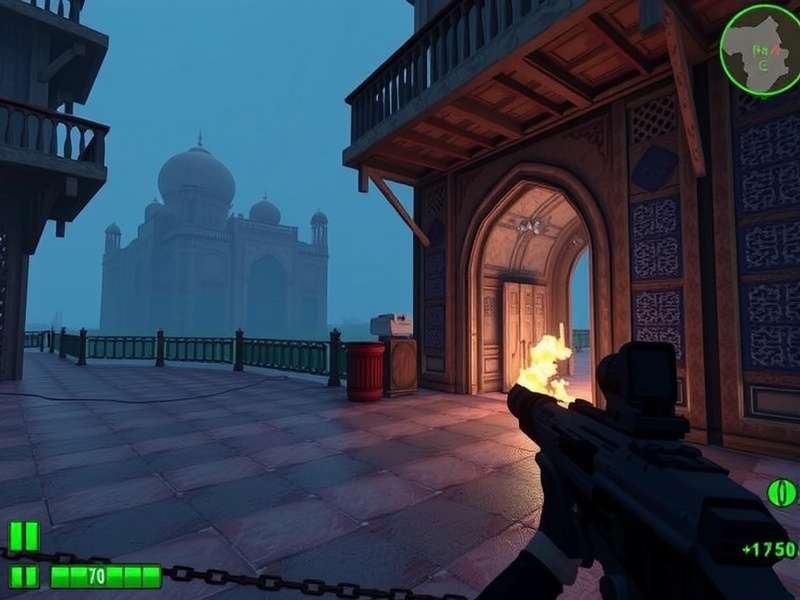
Figure 2: Exploring the dense, foggy paths of Sanjay Van, one of the most terrifying locations in Weird Abode Delhi. The Spirit Detector (visible in the bottom right corner) helps players locate hidden spirits and artifacts, while the dynamic lighting and fog effects create a truly immersive horror atmosphere.
Puzzle-Solving: Desi Rituals and Supernatural Challenges
Puzzle-solving is a core component of Weird Abode Delhi, and the game’s puzzles are uniquely desi, drawing inspiration from Indian supernatural beliefs, rituals, and history. Unlike many horror games that rely on complex machinery or logical puzzles, Weird Abode Delhi’s puzzles require players to use their knowledge of Indian culture and folklore to progress, making them both challenging and culturally resonant.
The game features four types of puzzles: Ritual Puzzles, Historical Puzzles, Environmental Puzzles, and Folklore Puzzles. Each type of puzzle offers a unique challenge and requires a different approach.
Ritual Puzzles
Ritual Puzzles are the most common and involve performing specific Indian rituals to progress. For example, one puzzle requires players to arrange lemons and chillies in a specific pattern (a traditional method for warding off evil) and recite a hymn from the Vedas to break a churail’s curse. Another Ritual Puzzle tasks players with offering a coconut to a friendly spirit to gain access to a hidden room—coconuts are considered sacred in many Indian traditions and are often used in religious ceremonies to appease deities and spirits.
Another example of a Ritual Puzzle is the “Sindoor and Turmeric Ceremony,” which players must perform to calm the spirit of a Mughal princess. The puzzle requires players to mix sindoor and turmeric in the correct ratio, apply it to a sacred stone, and recite a shloka from the Rigveda. The correct ratio and shloka are revealed through clues found throughout the location, requiring players to pay close attention to their surroundings.
Historical Puzzles
Historical Puzzles require players to use their knowledge of Delhi’s history to solve.